

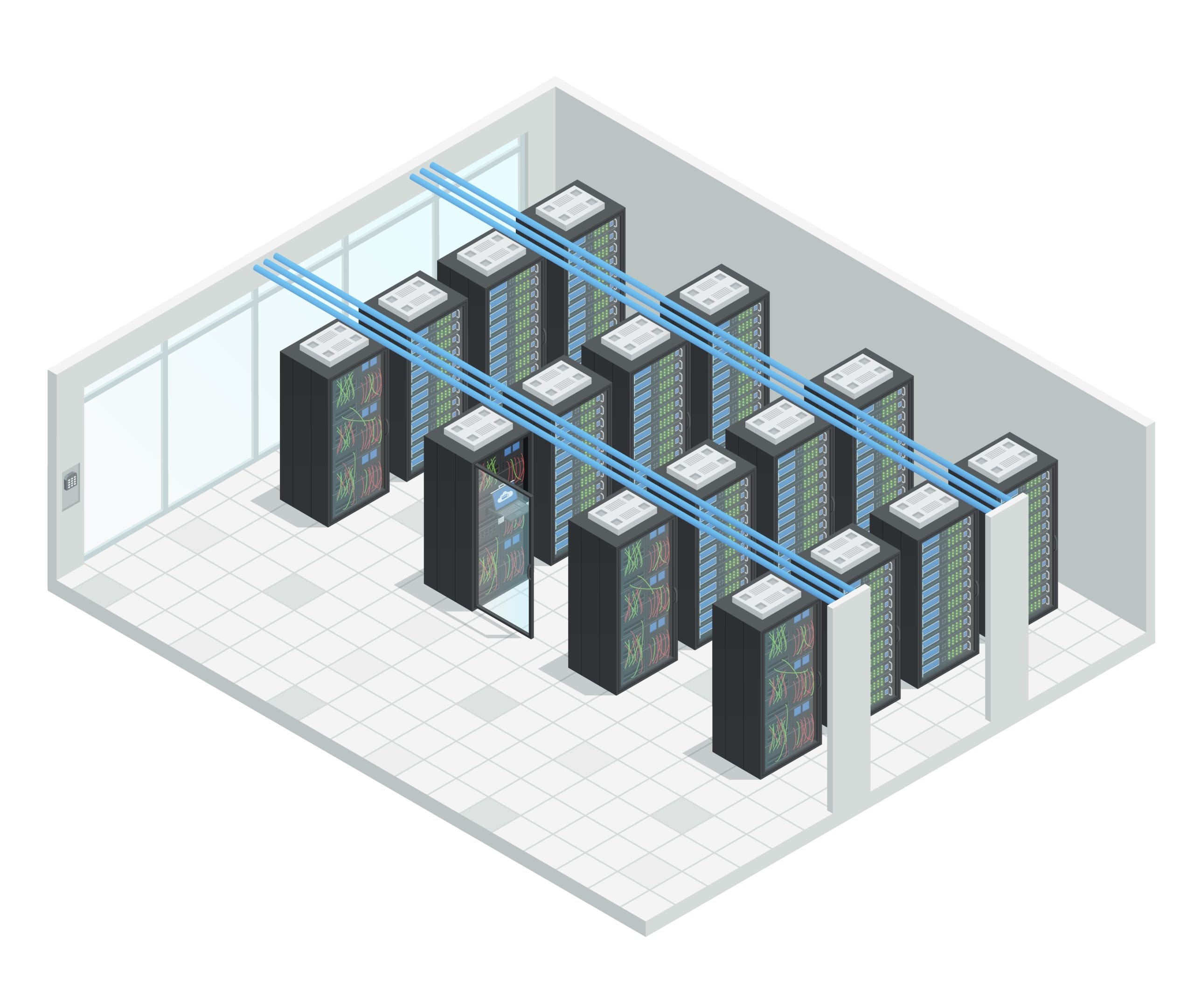
Air-Gapped Doesn’t Mean Disconnected: An Integration Architecture for Utilities, Pharma, and Finance
In regulated environments, isolation is often treated as protection. Utilities, pharmaceutical facilities, financial institutions, and critical infrastructure operators restrict internet access for good reasons: compliance, cybersecurity, operational risk, and audit control. The fewer unnecessary connections a critical environment has, the

School District Lockdown: When the Panic Button Has to Trigger Five Systems at Once
Many school districts already have panic buttons, PA systems, radios, access control, emergency notification tools, door hardware, and 911 procedures in place. But having the pieces is not the same as having a coordinated lockdown system. If each step

80,000 Birds at Risk: Why Agricultural Facilities Need Reliable Environmental Alarm Delivery
Agricultural facilities often have sensors, panels, and monitoring systems that can detect temperature spikes, fan failures, ventilation issues, and other environmental alarms. But detection is only useful if the alert reaches the right person fast enough to act. In
Why “Replies” Matter for Workflow Reliability
Workflow automation depends on more than triggering the right action. A system can send an event, move to the next step, and appear to function correctly, even when the intended action never actually happens. That is the hidden risk behind many

Overcoming Hardware-Induced False Alarms in Critical Infrastructure
Reliable systems are not built by assuming correctness; they are built by designing for uncertainty. In real-world environments, this means going beyond surface-level integration and developing a deep understanding of how systems behave under all conditions. It requires visibility into

Automating “Swivel Chair” Integrations in Real-Time Security and Operations Centers
Security and operations centers are designed for real-time awareness and coordination. They bring together video surveillance, access control, sensors, and communications systems into a single environment. But when an incident happens, the response still depends on people manually connecting those

Why Integration Alone Doesn’t Deliver ROI
In many environments, alerts still require interpretation, routing, and coordination by people. Each step introduces a delay, and those delays are measurable. Research on incident response shows that overwhelming alert volumes lead to missed or ignored alerts and slower response

From Event to Action: Why Integration Alone Isn’t Enough
Most organizations have already integrated their systems. But when an incident occurs, the response still depends on people. Video platforms, access control systems, fire panels, radios, and IoT sensors continuously generate data, all connected to centralized platforms that promise visibility