


Q&A: When a CFO asks for ROI on operational alert routing, what do you say?
The question, from a regional security dealer sales manager: "My techs love what this kind of integration does, but I can't get my reps to sell it because the customer's CFO asks 'what's the ROI?' and we don't have a clean
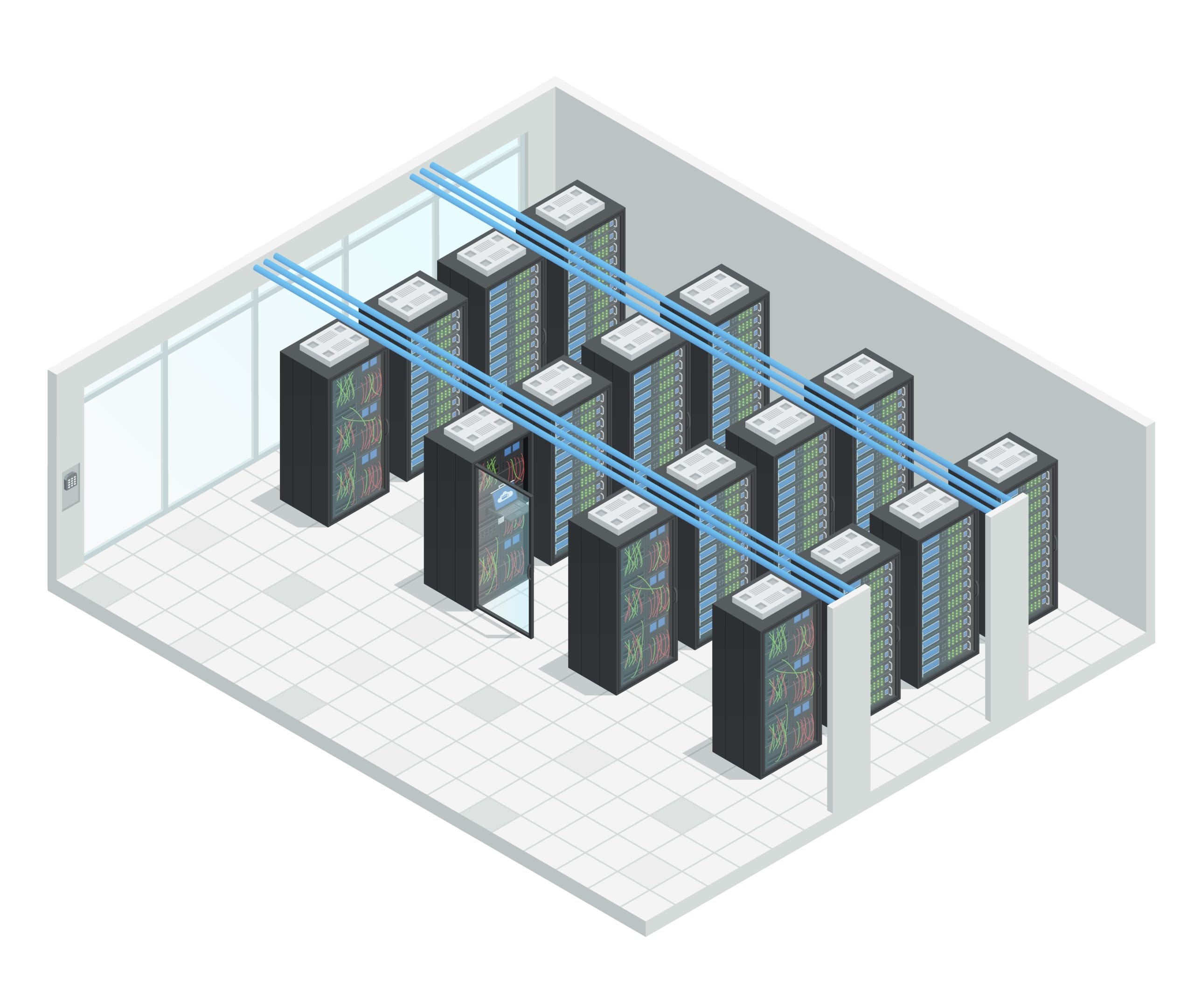
Air-Gapped Doesn’t Mean Disconnected: An Integration Architecture for Utilities, Pharma, and Finance
In regulated environments, isolation is often treated as protection. Utilities, pharmaceutical facilities, financial institutions, and critical infrastructure operators restrict internet access for good reasons: compliance, cybersecurity, operational risk, and audit control. The fewer unnecessary connections a critical environment has, the

Teldio Service Advisory: GPS Week Number Rollover (GWNR)
Restoring GPS location reporting in TruFleet for legacy MOTOTRBO radios Issued: June 2026 | Ref: TELDIO-SA-2026-01 | Applies to: TruFleet / MOTOTRBO GPS Summary A GPS Week Number Rollover (GWNR) event is affecting GPS reporting on older MOTOTRBO radios across the industry. On
Q & A: A vendor upgrade broke our core integration. What now?
The question, from a security director at a multi-site utility: "We funnel everything into our access-control platform to keep audit scope minimal. The integration that pushes video events from our VMS into that platform broke after we took the latest recommended

School District Lockdown: When the Panic Button Has to Trigger Five Systems at Once
Many school districts already have panic buttons, PA systems, radios, access control, emergency notification tools, door hardware, and 911 procedures in place. But having the pieces is not the same as having a coordinated lockdown system. If each step

Five reads: infrastructure beats features this week
Five reads this week, all telling the same story from different angles. A CVE that won't get a press conference. A guest column in SIA's newsletter making the case for infrastructure-first AI. A piece of behavior-pattern AI shipping in retail.

80,000 Birds at Risk: Why Agricultural Facilities Need Reliable Environmental Alarm Delivery
Agricultural facilities often have sensors, panels, and monitoring systems that can detect temperature spikes, fan failures, ventilation issues, and other environmental alarms. But detection is only useful if the alert reaches the right person fast enough to act. In

Why “Replies” Matter for Workflow Reliability
Workflow automation depends on more than triggering the right action. A system can send an event, move to the next step, and appear to function correctly, even when the intended action never actually happens. That is the hidden risk behind many