

Teldio Roundup: Open by design, and the gap after the alert
This month’s Teldio Roundup splits cleanly into two groups. Three of the bigger announcements circle the same idea from different angles: get your video, your access control, and your credentials off proprietary rails, so you can swap one part without

Q & A: A vendor upgrade broke our core integration. What now?
The question, from a security director at a multi-site utility: "We funnel everything into our access-control platform to keep audit scope minimal. The integration that pushes video events from our VMS into that platform broke after we took the latest recommended

Five reads: infrastructure beats features this week
Five reads this week, all telling the same story from different angles. A CVE that won't get a press conference. A guest column in SIA's newsletter making the case for infrastructure-first AI. A piece of behavior-pattern AI shipping in retail.
Why “Replies” Matter for Workflow Reliability
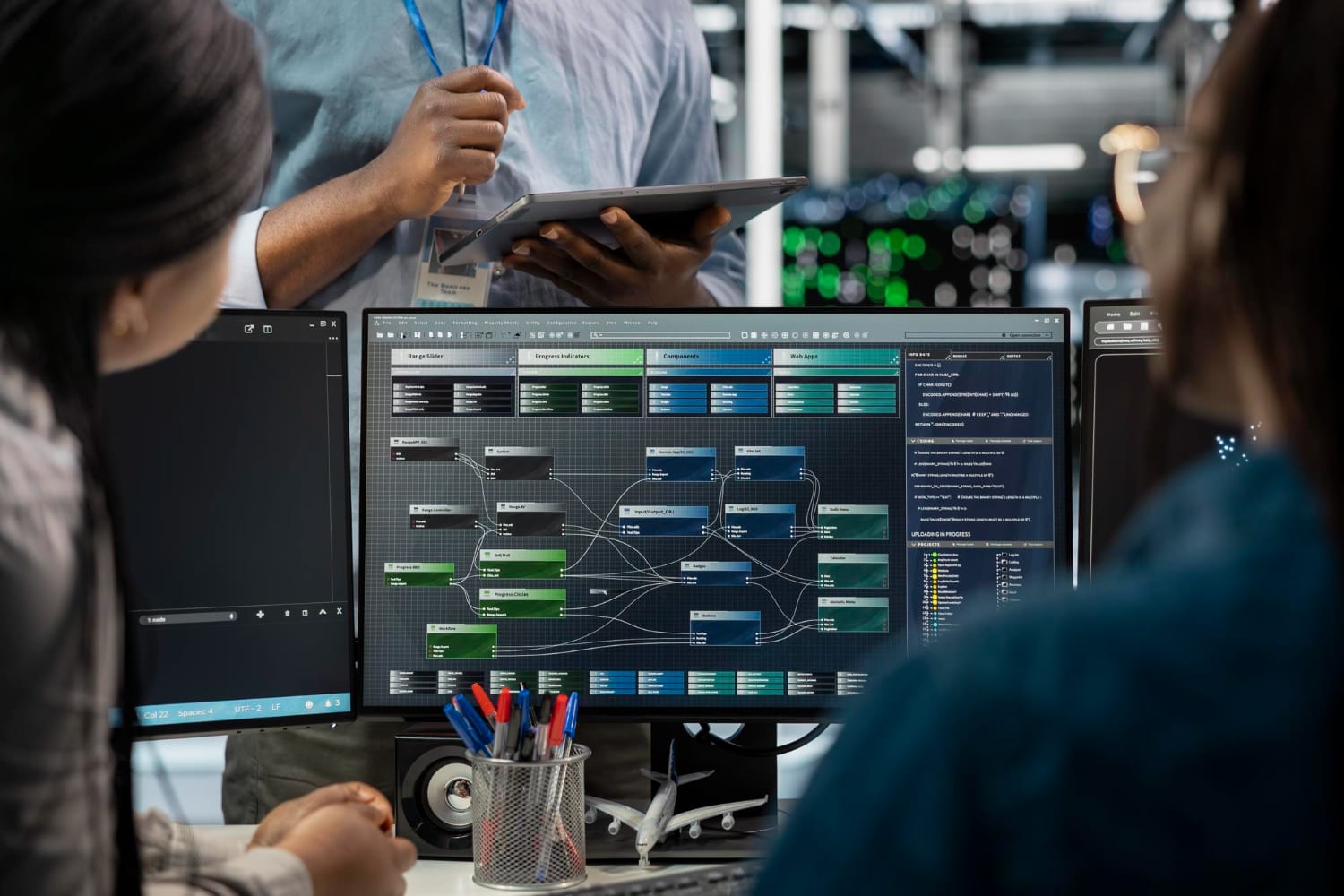
Workflow automation depends on more than triggering the right action. A system can send an event, move to the next step, and appear to function correctly, even when the intended action never actually happens. That is the hidden risk behind many
Overcoming Hardware-Induced False Alarms in Critical Infrastructure
Reliable systems are not built by assuming correctness; they are built by designing for uncertainty. In real-world environments, this means going beyond surface-level integration and developing a deep understanding of how systems behave under all conditions. It requires visibility into

Automating “Swivel Chair” Integrations in Real-Time Security and Operations Centers
Security and operations centers are designed for real-time awareness and coordination. They bring together video surveillance, access control, sensors, and communications systems into a single environment. But when an incident happens, the response still depends on people manually connecting those

Why Integration Alone Doesn’t Deliver ROI
In many environments, alerts still require interpretation, routing, and coordination by people. Each step introduces a delay, and those delays are measurable. Research on incident response shows that overwhelming alert volumes lead to missed or ignored alerts and slower response

From Event to Action: Why Integration Alone Isn’t Enough
Most organizations have already integrated their systems. But when an incident occurs, the response still depends on people. Video platforms, access control systems, fire panels, radios, and IoT sensors continuously generate data, all connected to centralized platforms that promise visibility