

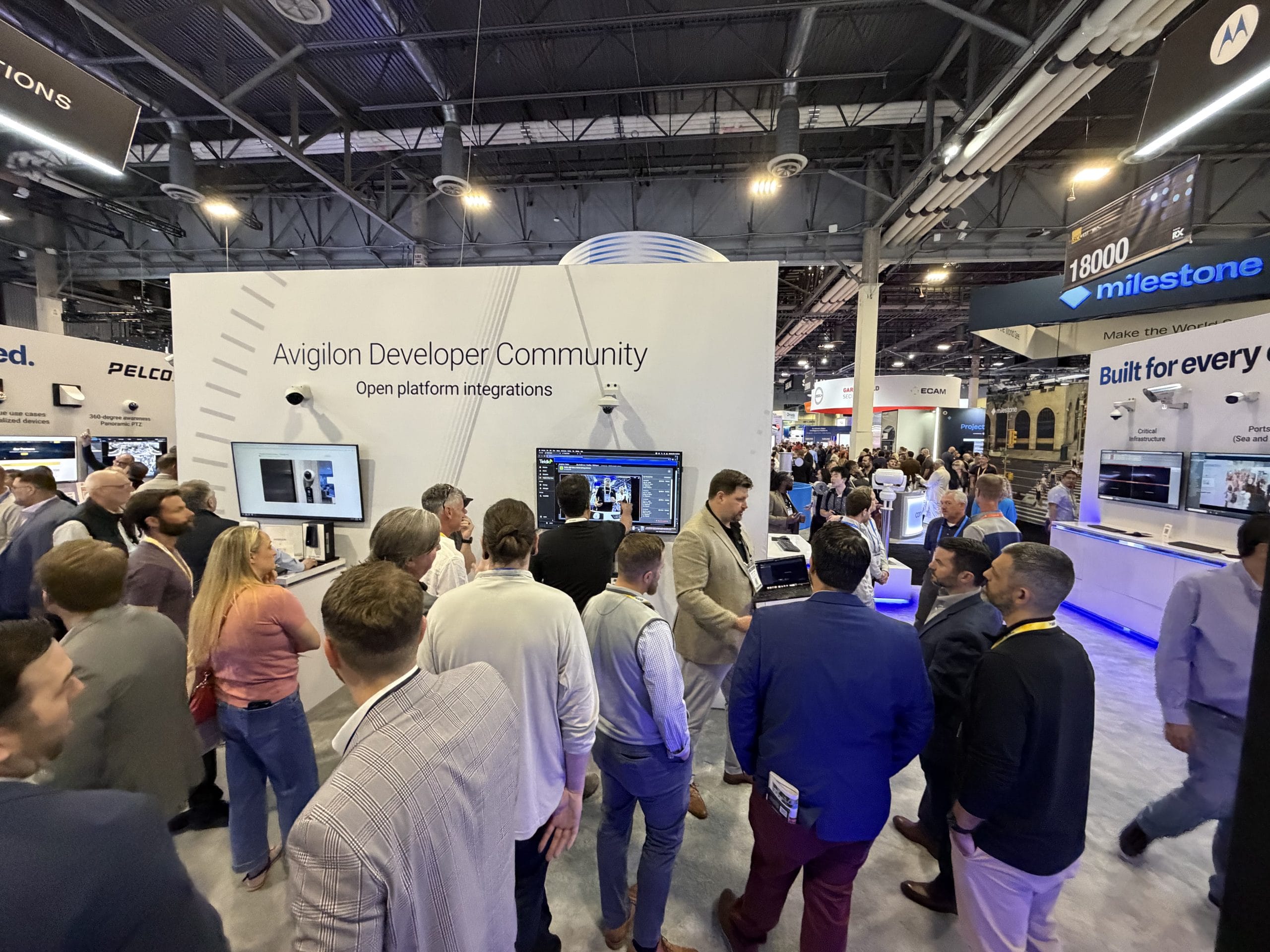
Top 3 Takeaways from ISC West
ISC West plays a critical role in shaping the direction of the physical security industry. It’s where vendors, integrators, and partners align on priorities, test new ideas, and signal where investment is going next. Teldio provides a real-time view of how the market is evolving, from emerging technologies to the practical challenges customers are trying to solve.
This year, those conversations extended beyond the show floor. Teldio was actively demonstrating Teldio Fabric and supporting multiple partner demos across the event, showcasing how integrated video, communications, and operational systems can move from detection to coordinated response. Seeing these workflows in action reinforced a broader shift happening across the industry. The conversations felt less about what’s possible and more about what actually works at scale.
Here are my top three takeaways from this year’s summit.
1. AI Trust and Ethics Have Taken Center Stage
Every vendor has AI now. That’s no longer the differentiator. What stood out this year is that the conversation has shifted toward governance. Questions like:
- Who gets notified?
- How does the system handle ambiguity?
- What guardrails exist to prevent misuse?
These are now front and center.
Notification fatigue is still very real, but the conversation around it has matured. It’s no longer just about reducing noise; it’s about responsibility. AI acts as an amplifier and an accelerator, meaning the consequences of poor design scale just as quickly as the benefits.
This builds on what we were already seeing at the Partner Advantage Summit. AI doesn’t eliminate the notification problem; it intensifies it. And once that happens, it becomes as much an ethical issue as a technical one.
When systems can generate, route, and act on information at scale, how those decisions are made and who they impact matter more than ever.
2. Open Systems Are Now a Product Strategy
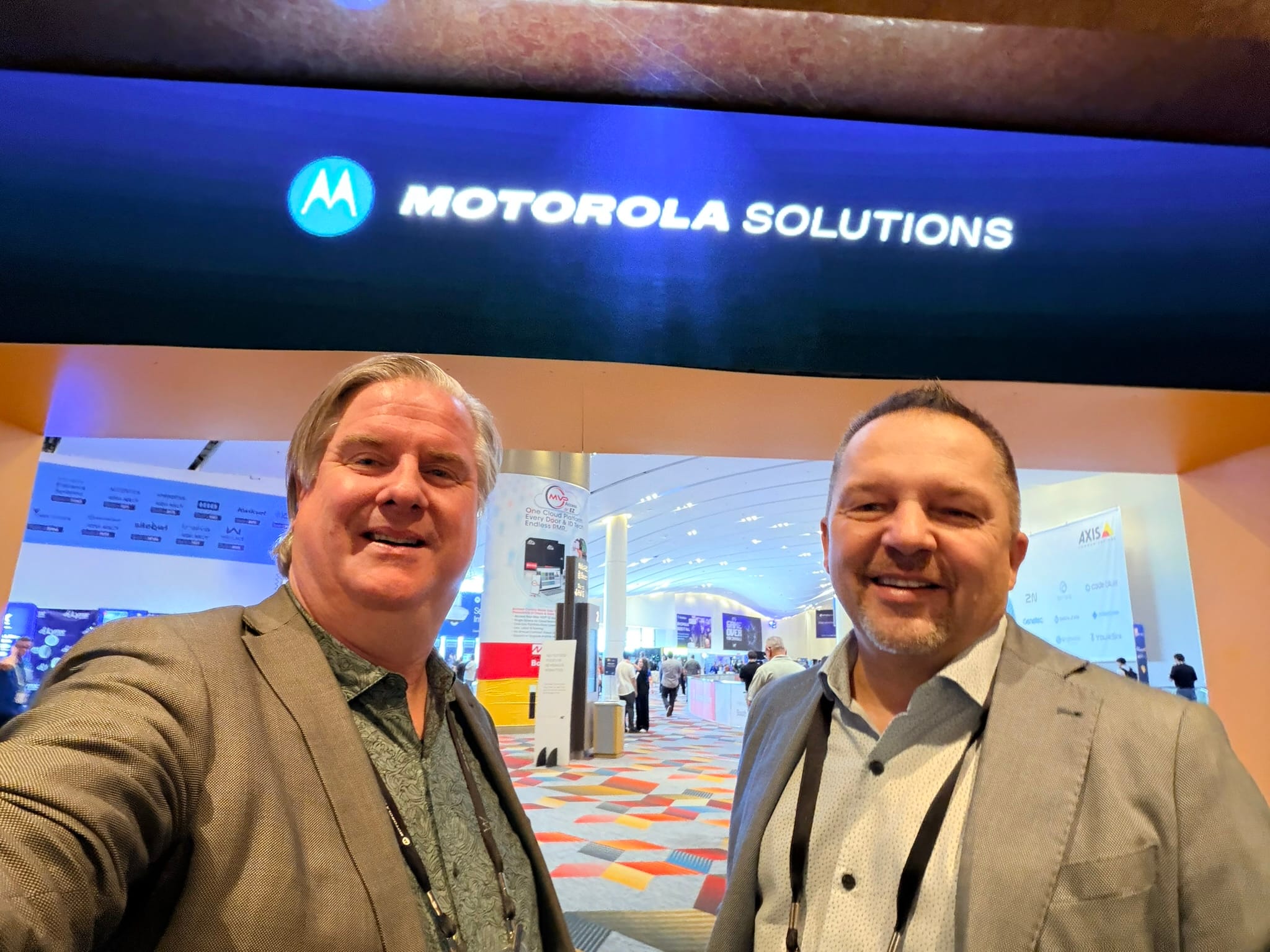
Open systems used to be a partner complaint. Now they’re a product strategy.
Motorola and others were actively showcasing investments in APIs and SDKs to unify disparate systems. The message was clear: customers expect their environments to work together, and vendors who don’t support that are losing ground.
Almost every conversation returned to the same idea: connecting systems. But there’s a deeper shift happening here. This isn’t just about technical openness driven by AI. It’s about business value.
Security has traditionally been treated as a cost center, focused on loss prevention and risk mitigation. What we’re seeing now is a shift toward enabling the primary business. When systems are properly connected, they don’t just reduce risk; they also accelerate people and operations. They reduce costs, improve efficiency, and support the organization’s core mission.
The same infrastructure that once existed to prevent loss can now drive productivity. That changes how security is positioned, funded, and evaluated.
3. Physical and Cyber Are No Longer Separate Conversations
The convergence of physical and cyber security continues to accelerate. This isn’t a future trend; it’s already happening.
The reality is that physical security systems rely on the same underlying infrastructure as enterprise IT. The networks, devices, and platforms used to monitor facilities are also used to protect data and digital assets. That means the risks and the responsibilities are shared.
Security tooling is no longer separate. It’s part of the same ecosystem, and the same teams need visibility into both physical and digital threats. This has implications for how systems are designed, how teams are structured, and how incidents are managed. You can’t secure one side without understanding the other.
Where This Is Going
ISC West remains one of the most important opportunities to take stock of the industry as a whole. It provides a clear view into how vendors are evolving, where customers are focusing their investments, and which ideas are gaining real traction beyond the demo floor. For companies like Teldio, it’s a chance to step back, assess the bigger picture, and understand not just what’s being built, but what’s actually being adopted.
If there’s a common thread across all three takeaways, it’s this: The industry is moving beyond isolated systems and standalone capabilities. AI is everywhere. Integration is expected. Convergence is underway.
The real question now is how these systems work together; responsibly, reliably, and in a way that actually delivers operational value. That’s where the next phase of innovation will happen.
Curious how these trends translate into real-world systems? Book a demo of Teldio Fabric to see how AI, integration, and coordination come together in practice.